How Cities Are Preparing for the Electric Mobility Wave
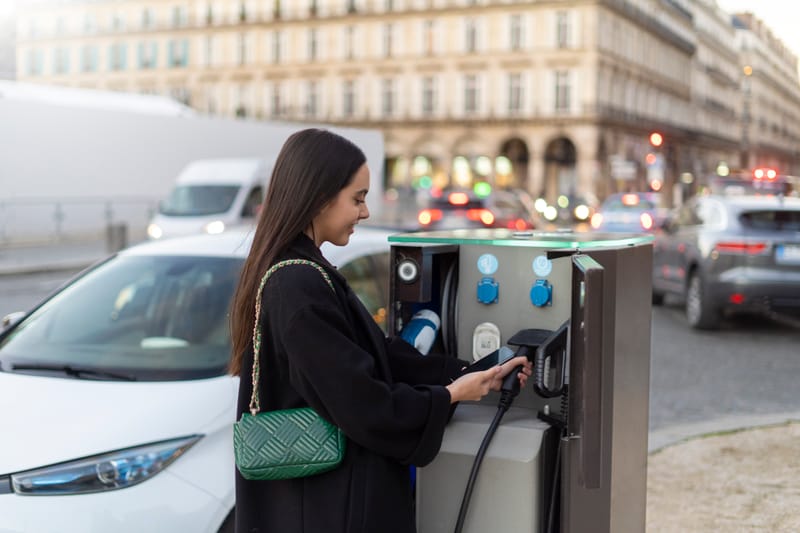
The Hyundai Creta Electric represents a new era in urban transportation — one that prioritizes sustainability, technology, and efficiency. As electric mobility gains traction worldwide, cities are racing to build the infrastructure and policies needed to support this wave of innovation. From modern charging stations to smart traffic systems, urban centers are preparing for a future where vehicles like the Creta Electric become the norm rather than the exception.
Building smart and sustainable infrastructure
Cities are investing heavily in EV infrastructure to ensure a smooth transition to electric mobility. Dedicated charging zones, fast-charging corridors, and renewable-powered grids are being developed across metropolitan areas. The Hyundai Creta Electric benefits from such infrastructure, offering convenience and reliability to eco-conscious drivers. Municipalities are also upgrading power networks to handle increased demand while promoting renewable integration to keep charging clean and efficient.
Policy Support and Public Awareness
Governments and city planners are offering incentives to encourage EV adoption, ranging from reduced parking fees and toll exemptions to tax benefits and purchase subsidies. Public campaigns are also helping residents understand the environmental and economic benefits of switching to electric vehicles. With growing awareness, EVs such as Hyundai Creta Electric are becoming the central vision for modern, pollution-free cities.
Conclusion
The electric mobility wave is changing the way cities function, plan, and grow. As the Hyundai Creta Electric heads the shift with such great foresight, urban centers set a stage towards cleaner, quieter, and smarter eras of transportation. The future of cities therefore lies in electric innovation-a future powered by sustainability and driven by change.
