THCA Legal Status: Is THCA Legal for Medical and Recreational Use?
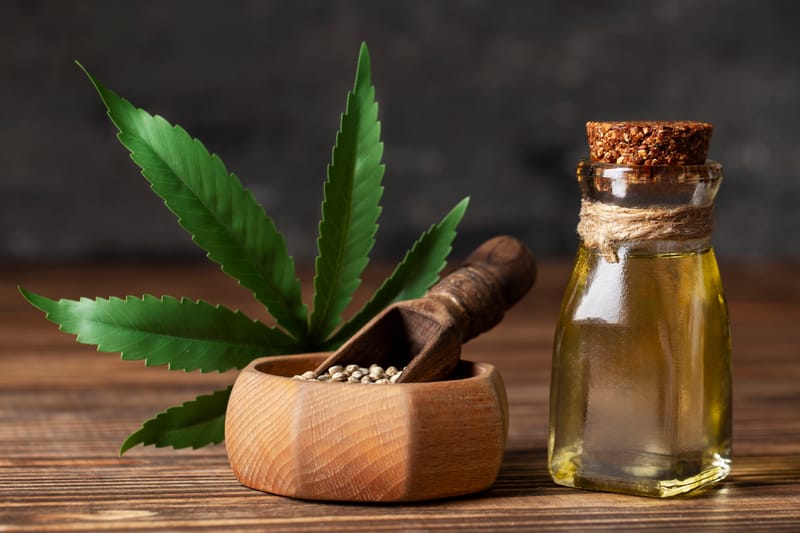
Is THCA Legal in Kentucky is a key question for anyone trying to understand how THCA (tetrahydrocannabinolic acid) fits into the U.S. legal system in 2026. This inquiry reflects broader challenges in cannabinoid law, where federal standards, evolving legislation, and diverse state frameworks intersect. THCA, a naturally occurring cannabinoid in hemp that converts into delta‑9 THC when heated, occupies a unique regulatory space — legal in some contexts but restricted or even banned in others. This article explores THCA’s legal status for both medical and recreational use, providing a detailed, state‑by‑state picture for 2026 and what that means for consumers and businesses.
What Is THCA and Why Regulation Matters
THCA is the acidic, non‑psychoactive precursor to delta‑9 THC found in raw cannabis and hemp plants. While THCA itself won’t typically cause intoxication, the moment it’s heated it converts into delta‑9 THC — the compound responsible for the “high” associated with marijuana. This chemical behavior has created legal ambiguity: products containing THCA can look and act similar to marijuana but are often marketed as hemp derivatives.
Historically, the 2018 Farm Bill legalized hemp and its derivatives at the federal level if they contain no more than 0.3% delta‑9 THC on a dry weight basis. THCA wasn’t directly mentioned in federal law, so states could interpret hemp compliance differently. That is now changing with updated federal rules expected later in 2026 that redefine hemp using a “total THC” standard — which includes THCA in its calculation — potentially outlawing many intoxicating hemp products that were previously legal.
Federal THCA Legal Framework
Under current federal law through 2026:
- Hemp‑derived THCA is legal federally so long as total delta‑9 THC remains under 0.3% on the Certificate of Analysis (COA).
- The new federal “total THC” rule — slated to take effect on November 12, 2026 — will count all THC and THCA toward the 0.3% threshold and impose stricter limits on finished products.
- After that date, many products previously considered legal may no longer qualify as hemp under federal standards, impacting both medical and recreational access nationwide.
This evolving federal landscape makes it important to monitor changes, as it will reshape the legality of THCA products across all states.
Medical vs. Recreational THCA: State Differences
THCA’s legal status depends heavily on the state you’re in. Some states allow THCA under medical or recreational cannabis laws, others permit it only as a compliant hemp derivative, and a few restrict or ban it entirely.
States Where THCA Is Legal for Medical and/or Recreational Use
Many states that have legalized medical marijuana and adult‑use cannabis treat THCA like other cannabinoids. In these jurisdictions, THCA products are typically available through licensed dispensaries subject to cannabis program rules:
- States like California, Michigan, Nevada, New York, Oregon, and Washington permit THCA products under defined cannabis programs for both medical and recreational use.
- In states with legal medical cannabis only, THCA may be available through licensed medical programs with appropriate patient registration.
In these regulated markets, THCA is considered alongside other THC products rather than under hemp law, which can result in clearer legal boundaries and licensing oversight.
States With Conditional or Restricted THCA Status
Some states fall into a middle ground where hemp‑derived THCA is allowed under strict conditions but recreational marijuana remains illegal:
- States like Indiana, Iowa, Tennessee, and Oklahoma permit THCA when compliant with federal hemp THC limits (delta‑9 under 0.3%) and often restrict recreational cannabis altogether.
- In states that count THCA toward “total THC” or have imposed additional caps or restrictions, access may be legally uncertain, especially for smokable products.
These conditional statuses reflect nuanced regulatory choices rather than outright prohibition.
States Where THCA Is Restricted or Illegal
A few states take stricter stances:
- Idaho and similar jurisdictions with strict anti‑THC laws generally ban all forms of intoxicating cannabis, including THCA products that exceed federal limits.
- Some states may treat THCA flower and other high‑potency products as controlled substances under local law, effectively outlawing them regardless of hemp compliance.
Always check local statutes and enforcement practices since these vary widely and are subject to change.
Is THCA Legal in Kentucky? (Examining the Legal Status)
In Kentucky, THCA is considered legal with restrictions under the state’s hemp program:
- Hemp‑derived THCA products are permitted if they comply with federal hemp THC standards (delta‑9 under 0.3% on a COA).
- Recreational marijuana remains illegal in Kentucky, but medical programs may offer access in specific contexts.
- Regulation and enforcement must align with state hemp law, which continues to evolve in response to federal changes.
This means THCA products are available in Kentucky within strict hemp compliance, but the state still restricts broader recreational cannabis access.
Safety, Compliance, and Practical Advice
Regardless of legality, consumers and businesses should:
- Check Certificates of Analysis (COA) to verify THC and THCA content meets legal thresholds.
- Understand that legality today may change post‑November 2026 when federal “total THC” standards take effect.
- Consult local legal counsel or regulatory authorities when in doubt, especially if planning to buy, sell, or transport THCA products across state lines.
Conclusion
THCA’s legal status in 2026 remains a complex mosaic shaped by evolving federal standards and varied state laws. Federal frameworks have historically permitted hemp‑derived THCA if delta‑9 THC stays below the legal threshold, but upcoming changes (effective late 2026) will impose stricter “total THC” limits that could dramatically impact its legality. State laws vary widely: some permit THCA for medical and recreational use within regulated cannabis systems, others allow it as compliant hemp, and a few restrict or prohibit it altogether. In Kentucky, THCA is legal under hemp laws but remains tied to strict THC limits and the absence of legalized recreational marijuana. Staying informed, compliant, and aware of changes in both federal and local law is essential for safe and lawful use or commercialization of THCA products in 2026 and beyondTHCA’s legal
