The Legalities of Owning Firearms: What Are the Rules for Gun Ownership?
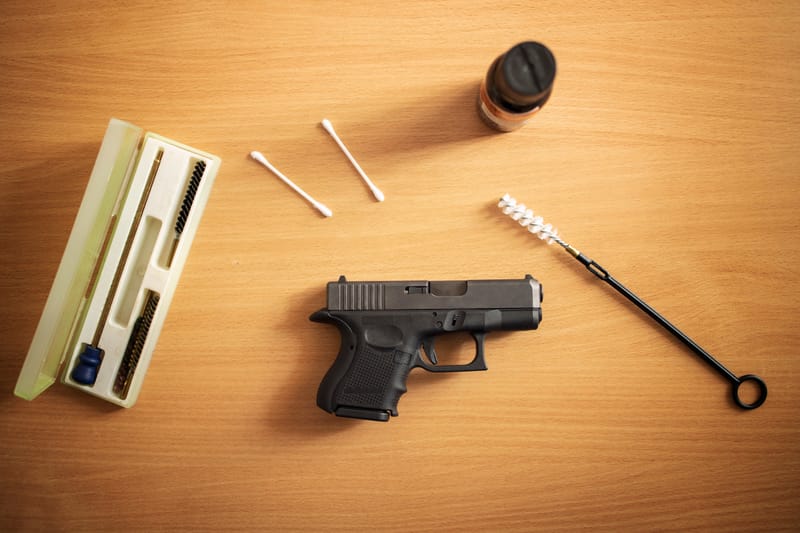
Owning a firearm in the United States comes with significant legal responsibilities. Whether you’re a first-time gun owner or a seasoned firearm enthusiast, understanding the legal requirements and restrictions surrounding gun ownership is crucial. One aspect that varies by state is how firearms can be transported, particularly in vehicles. In North Carolina, gun laws in North Carolina in car dictate how firearms can be carried in a vehicle, ensuring both safety and compliance with state regulations. This article will explore the legalities of owning firearms, with a focus on how laws vary between states and what you need to know to stay compliant.
1. General Rules for Gun Ownership
Before getting into specific regulations, it’s important to understand the general rules of gun ownership in the U.S. Federal law sets the baseline for gun ownership, but states have the authority to impose stricter rules. At a federal level, you must be at least 18 years old to own a long gun and 21 years old to own a handgun. You must also pass a background check to purchase firearms from licensed dealers, ensuring that the buyer does not have a criminal record or other disqualifying factors such as a history of mental illness or domestic violence.
In addition, all gun owners are expected to safely store firearms to prevent unauthorized use. This includes using gun safes or lockboxes, especially in homes with children. Ignoring these safety measures can lead to legal consequences, particularly if a firearm is used in a crime or is involved in an accident.
2. Gun Ownership Laws in North Carolina
In North Carolina, gun laws in North Carolina in car are among the most important rules for gun owners to understand. The state allows residents to own firearms, including handguns, rifles, and shotguns. However, specific regulations apply to how guns can be carried in a vehicle. For example, individuals with a valid concealed carry permit are allowed to carry a concealed handgun in their vehicle. However, the firearm must not be immediately accessible unless necessary for self-defense.
For those without a concealed carry permit, transporting a firearm in a vehicle is still legal, but the firearm must be unloaded and stored in a locked container, such as a glove compartment or trunk. This ensures that the firearm is not easily accessible during a traffic stop or in the event of a potential confrontation.
3. Concealed Carry Permits
Obtaining a concealed carry permit is an important aspect of gun ownership for many individuals who wish to carry their firearm in public. In North Carolina, obtaining a concealed carry permit involves several steps, including submitting an application, undergoing a background check, fingerprinting, and completing a state-mandated training course. Once approved, the permit allows the holder to carry a concealed handgun in both public and private spaces, including in vehicles, as long as the gun is securely stored when not in use.
Each state has its own process for issuing concealed carry permits, and some states, like Texas, have more relaxed requirements, while others, like New York, impose stricter regulations. Understanding the rules in your state is crucial, as carrying a concealed firearm without the proper permit is a serious crime that can result in fines, arrest, and loss of gun ownership privileges.
4. Restrictions on Gun Ownership
In addition to basic ownership rules, gun owners should be aware of the many restrictions placed on firearm possession. For instance, federal law prohibits certain individuals from owning guns, such as convicted felons, individuals under restraining orders, and people with certain mental health diagnoses. In some states, gun ownership is restricted for individuals convicted of domestic violence offenses, even if the conviction is a misdemeanor.
Furthermore, many states, including North Carolina, have restrictions on the types of firearms that can be owned. While North Carolina does not have an assault weapons ban, some states, like California, impose stricter regulations on certain types of semi-automatic weapons, high-capacity magazines, and suppressors. It’s essential to be aware of your state’s laws regarding firearm types to avoid purchasing prohibited firearms.
5. Firearm Transportation and Storage
As mentioned earlier, gun laws in North Carolina in car are clear about the proper transportation and storage of firearms in vehicles. In North Carolina, gun owners with a concealed carry permit are allowed to transport a concealed handgun in their car, but it must be kept in a secure, hidden location. Non-permit holders must ensure that their firearm is unloaded and locked in a container, such as a safe or the trunk of the car.
For individuals who frequently travel across state lines, it is important to be aware of the gun laws in other states. Some states, like Florida, have more permissive gun laws, while others, like New Jersey and New York, impose stricter regulations on the transport and carrying of firearms, even for individuals with concealed carry permits from other states.
6. Penalties for Violating Gun Laws
Violating gun laws can result in serious consequences, including fines, imprisonment, and the loss of the right to own firearms. In North Carolina, if a person is found carrying a firearm without a concealed carry permit, they could face criminal charges and the confiscation of their weapon. Similarly, if a firearm is not stored properly in a vehicle and is found in an accessible location during a traffic stop, the gun owner could face legal penalties.
Federal and state governments take violations of gun laws very seriously, and penalties can vary depending on the severity of the violation. It is essential to stay informed about the legal responsibilities associated with owning and carrying a firearm to avoid these severe consequences.
Conclusion: Staying Compliant with Gun Laws
Owning a firearm comes with great responsibility. Whether you're following gun laws in North Carolina in car or navigating firearm regulations in other states, understanding and complying with the legal requirements is essential to ensure public safety and personal protection. Gun ownership laws cover a wide range of areas, from concealed carry permits to safe storage and transportation. By staying informed about these rules and abiding by them, gun owners can protect themselves legally and avoid unnecessary legal issues. legal issues
